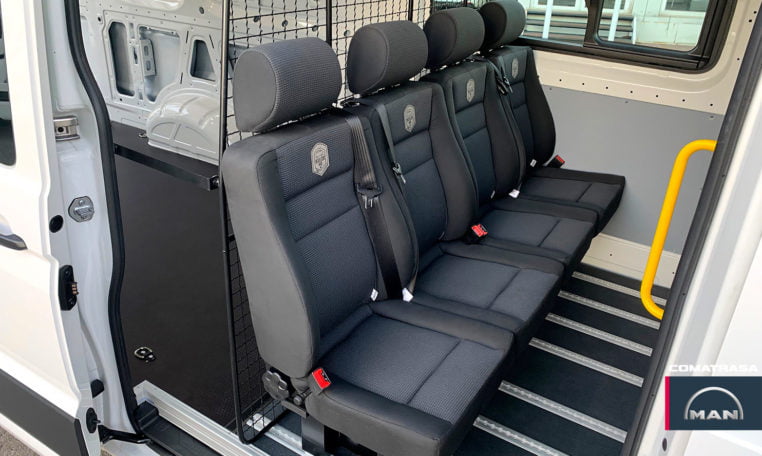


Change of vehicle classification, from mixed to passenger car or workshop van and others
Normally a modification to a van is subject to a change in its classification.
Other common changes that do not require a classification change but that you can make with your van:
This is a topic that commonly tends to be confusing, and on this occasion, we bring you a summary of the difference analyzed by the Certifix technical department according to the General Vehicle Regulations (2822/1998, December 23)
The vehicle category depends on the type approval of the vehicle.
The change from one category to another is complicated, it is generally only carried out by the manufacturer if the vehicle has been approved in 2 categories or by a technical approval service.
The classification is the 4-digit code indicated on the technical sheet.
For example, a passenger car will be 10xx, a light van 24xx and a light truck 20xx.
The classification of the vehicle by construction characteristics influences the periodicity of ITV maximum driving speed, with limitations of 90 km/h in the case of vans, 100 km/h in mixed vehicles and 120 km/h in passenger cars, as an example.
When we talk about mixed classification we mean that the van can transport both people and goods and its category can be either M1 or N1.
The service, which can be rental, private or taxi for example, is the habitual use of the vehicle itself.
Remember that: If your vehicle is M1 and not mixed, either originally or once the classification change is made, you will not be able to use it for the transport of goods.
Do you need to homologate your van?
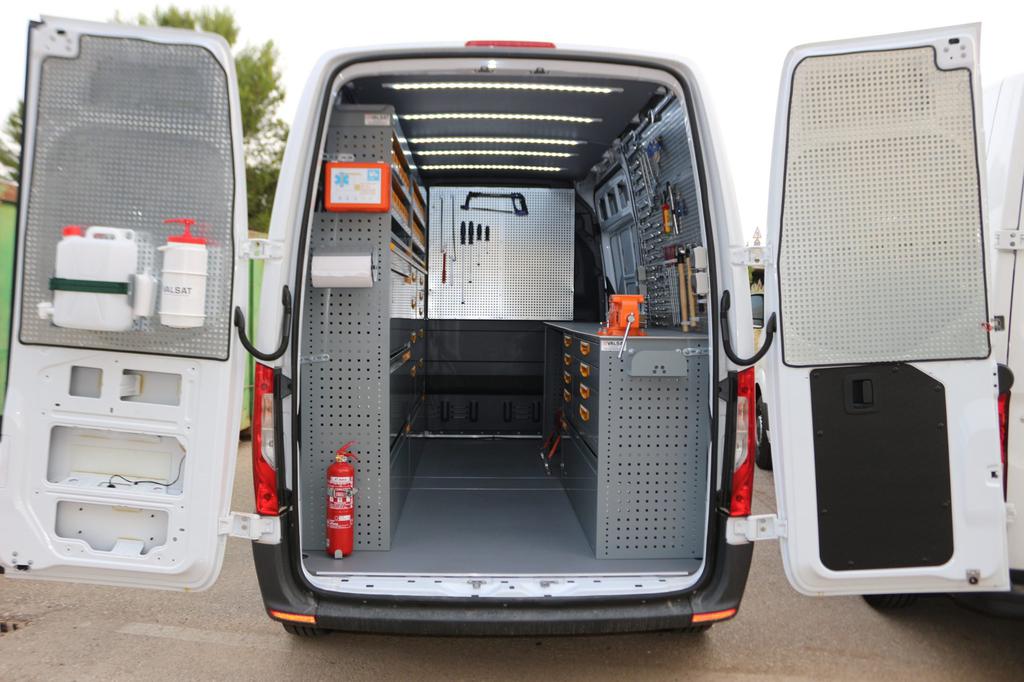
The benefits and requirements of converting your van into a workshop van can be numerous. Some of the key benefits of conversion to a workshop include:
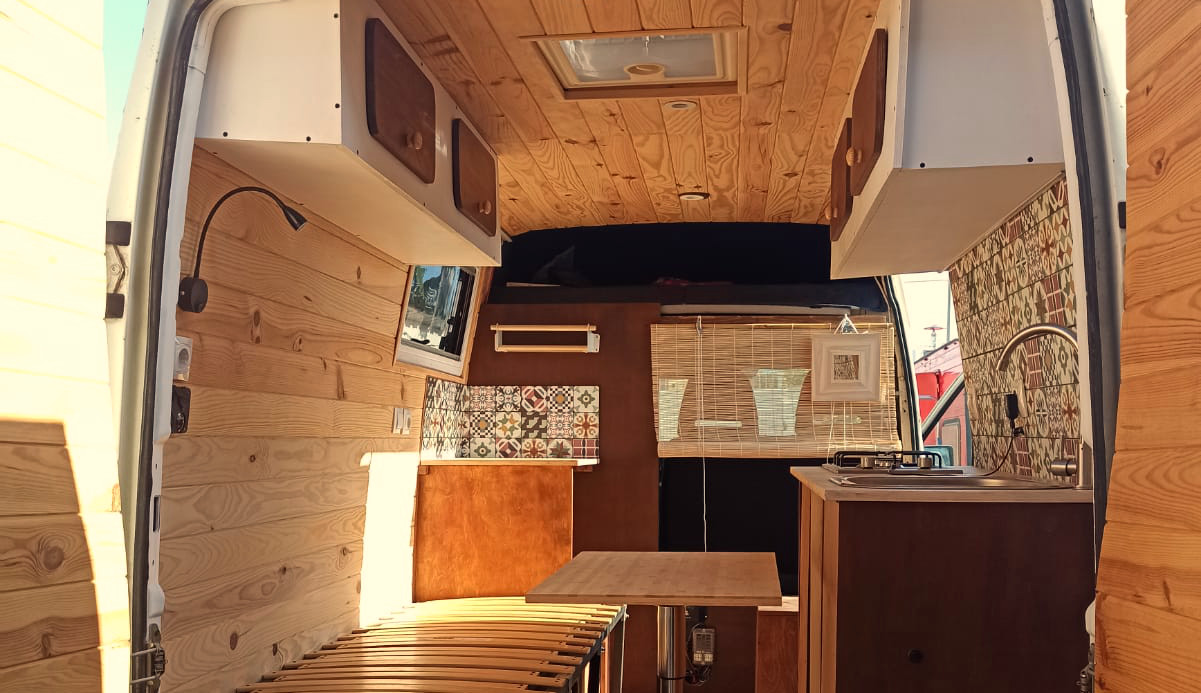
If you want to convert your van into a habitable space, you can do it through what is commonly called 'Camperization,' in which you will install furniture and equipment that make the van habitable. Discover the necessary steps and how to make your residential van a reality efficiently.
Homologate Camper
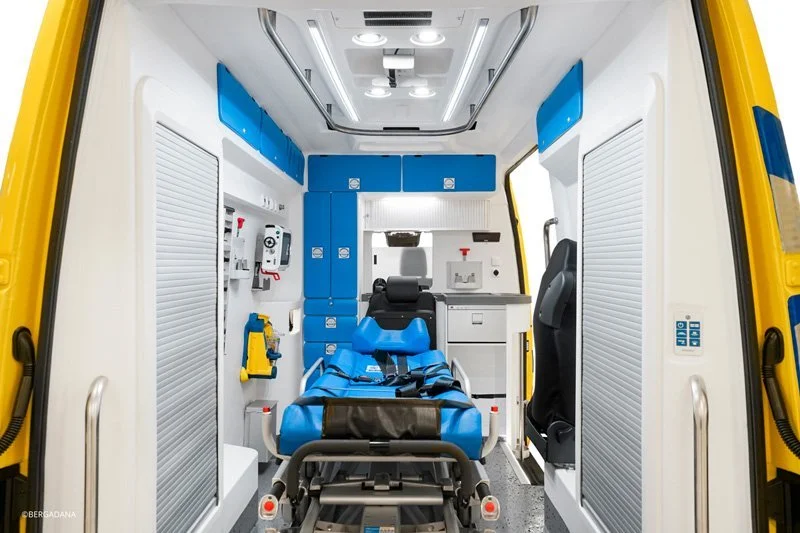
Buying ambulances is an increasingly common trend as they tend to come up in second-hand auctions, often at very affordable prices. If you're thinking of buying an ambulance to modify and change its purpose, here are some tips to consider before doing so.
It is mandatory to remove emergency lights and sirens, the stretcher, wheelchair mounts, and any element designed for use as an ambulance. You can only keep the furniture and seats that face the direction of travel. We leave you
here more information.
Another common reform we handle at Certifix is the adjustment of the Maximum Authorized Mass (MMA) of a van. There are different reasons for this, the most common being a reduction in taxes, as the vehicle taxes are based on the load it carries according to the city council. Moreover, if you adjust the MMA so that the total (trailer + vehicle) does not exceed 3,500 kg, you can drive it with a B license.
If you are considering reducing the number of seats in the van, you should know that you will get a larger and more versatile cargo space, and it may also mean cost savings since fewer seats mean less weight and thus lower fuel consumption in the long term. This modification is common when you want to convert a van into a camper and use more space for furniture.
If, on the other hand, you want to increase the number of seats, this will allow you to transport more passengers, ideal if you have a large family. Keep in mind that depending on the original configuration of your vehicle, the maximum number of seats allowed is as follows
If your vehicle is homologated as N1, the maximum total number of seats cannot exceed 7.
If your vehicle is homologated as M1, the maximum total number of seats cannot exceed 9.
Remember that: if you have a mixed vehicle of category M1 and you remove all the rear seats, you will no longer be able to exchange seats for cargo, so you must change the classification to a passenger vehicle.
Contact us, we will be happy to help you.